Larval Development Stages of Worms in Animals and Their Impact on Progression
We notice that many animals face infection from worms and their owners can not realise it. Internal worms develop in animals’ bodies quickly and multiply. Most of the time, there are no signs or symptoms until animals start to feel weakness or vomiting. Worm infections mainly occur among pets and livestock. Pet owners and animal caretakers should understand the stages of worms in animals to provide treatment on time.
Iveroot 12mg helps you to reduce parasitic infections. Moreover, a well-structured animal deworming management also helps you to save your animal’s life.
What Are Worm Stages?
Parasitic worms are not immediately adults when they are introduced into the body of an animal. They have a planned developmental process in the stages of worms in animals. In this stage, we will show how worms adapt, migrate and mature in animals’ bodies. When infection rises, animals face low immunity issues. Parasite control at the right time leads to better animal welfare.
Intestinal parasites are estimated to inflict significant losses on domestic and farm animals all over the world. Young animals are generally found to have higher infection rates because their immune systems are not fully developed.
The Complete Parasite Life Cycle in Animals
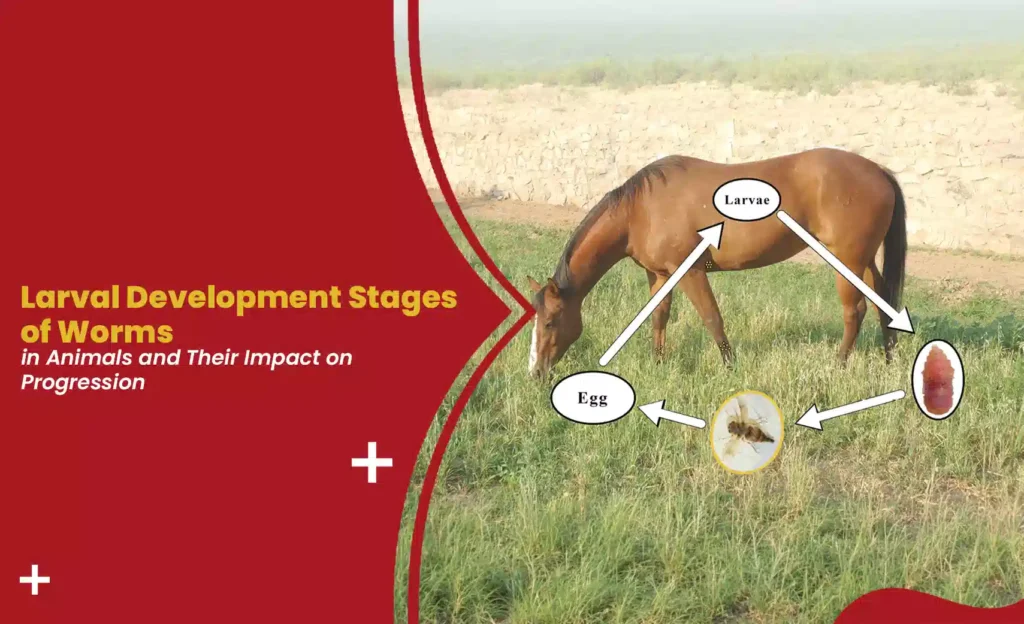
Now, we are going to learn about the parasite life cycle in animals, which can help to explain the spread of infections in animals. The typical life cycle consists of the egg stage, the larval stage, the developing juvenile stage, the adult worm stage, and reproduction and egg shedding.
Stage 1: Egg Stage (The Beginning of Infection)
The tiny eggs will survive in Grasslands, Kennels, Bedding areas, Water sources, and Soil. The eggs get into the digestive system of another animal and start hatching.
Impact on Progression
At this point, animal worm infection symptoms are typically not present. It continues to be a challenge to detect infection. Moreover, environmental contamination increases.
Stage 2: Early Larval Development (Silent Internal Changes)
It is one of the most important worm larval stages in animals, as it is when larvae start adapting to the animal host environment. During this phase, larvae are formed in eggs. They feed and grow.
For example, reduced appetite, mild digestive discomfort, lower energy levels, and minor weight fluctuations. Many infections are generally undetected as the symptoms are mild.
Stage 3: Migratory Larval Stage (Internal Movement Begins)
Adults are not the only form of parasites. Some migrate in the body tissue before they reach maturity. This stage includes the possibility that the child moves through the intestinal walls, bloodstream, liver, lungs, and muscle tissues. The migratory stage may play an important role in understanding worm progression in animals.
Health impacts of migration
Animals may experience tissue irritation, reduced nutrient absorption, mild inflammation, etc. In some infections, there may be signs of disease affecting the respiratory system and temporary weakness. Young animals may be more sensitive to the effects.
Stage 4: Advanced Larval Maturation
The larvae gradually grow and become mature in this stage. Now it is called full worms. In this stage, feeding activities increase among worms. As a result, parasite burden rises.
Moreover, animal worm infection symptoms are more apparent. The symptoms of worm infestation in animals can include diarrhea, weight loss, reduced growth rate, dull coat appearance, weakness, reduced activity, and digestive disturbances. The clinical signs may become more severe with time in animals with high parasite burdens.
Stage 5: Adult Worm Development
Adult worms take up residence in optimal areas of their host’s body. Common effects include the intestines, Heart, Lungs, Blood vessels, and Stomach. The adult parasites continue to produce eggs and begin the cycle again.
Progression Effects
High burdens on adults can cause nutritional deficiencies. Moreover, sick livestock that cannot produce as much, delays in growth, general weakness, and poor body condition are also causes of these effects. If left untreated, the contamination of the environment continues.
Common Worms Affecting Animal Health
Roundworms frequently affect puppies, kittens, livestock, and farm animals. Symptoms may include digestive problems, weight loss, pot-bellied appearance, and hookworms.
Hookworms attach themselves to the tissue of the intestines. Possible effects are weakness, blood loss, and reduced energy.
Tapeworms are another common culprit — if you’ve found tapeworm segments, here’s what that means and what to do next
Lungworms attack the respiratory system. Potential signs are coughing, reduced stamina, difficulties to take breath, etc,
The primary problem heartworms cause is in the circulation. Signs may include respiratory issues, fatigue, and exercise intolerance.
The following examples illustrate that worms that impact animals’ health can differ depending on the type of parasite.
International Statistical Data: How Worms Develop In Animals
The rate of intestinal parasites in young animals is 40-70%. Farm animals exposed to parasites up to 80%. The loss of productivity in livestock is between 10% and 30%. The risk in poor sanitation conditions is 2–3 times higher. Reinfection occurs due to improper control. These issues occur frequently within months. The statistics give you an idea of the intestinal parasites in animals.
Mitigation Strategy: Role of Iveroot 12mg
Prevention and specific treatment measures are needed to control parasitic infections. Iveroot 12mg is frequently included in animal deworming management plans. Iveroot 12mg might also help to manage parasites to support the growth of beneficial bacteria in the body. This is targeting those who are susceptible and might help to stop them from advancing. Iveroot 12mg provides support for parasite burden reduction. It brings limitations to the development of larvae. It also promotes risk reduction concerning progression and fosters animal well-being.
Animal Deworming Management Beyond Medication
Parasites cannot be completely controlled with medication. Integrated management practices are needed for long-term prevention.
Frequent cleaning makes the environment less polluted. You should focus on Feeding spaces, Bedding, Water containers, and Kennels.
You can follow routine defecation to reduce exposure to infective eggs and larvae.
You need to observe animals for their weight fluctuations, appetite changes, coat quality, and activity levels through routine health monitoring.
Implementation: Scheduled Deworming Programs
Good nutrition boosts immunity and resistance. You need to acknowledge signs of stress in an early manner. Many pet/animal owners may only notice symptoms when infections are severe. They should notice the following aspects:
- Poor growth
- Digestive upset
- Lethargy
- Weight loss
- Reduced appetite
- Abnormal stool appearance
- Dull fur or coat
Timely diagnosis can help minimize disease progression and increase management success.
Final Throughs
After reading this blog, you can realise that the stages of worms in animals are vulnerable to your animals’ lives. If you fail to manage them, parasitic infections develop and quickly spread in your animals’ bodies. Every stage shows various challenges to animal health.
But don’t worry. Well-planned animal deworming management, an early monitoring system, and hygiene measures can save your animals’ lives. Besides that, Iveroot 12mg may help your animals to kill worms and reduce parasite burdens. Browse our range of parasite treatment solutions.
FAQs
- What are the stages of worms in animals?
The stages are the egg stage, the larval stage, the developing juvenile stage, the adult worm stage, and reproduction and egg shedding.
- What are the key symptoms of animal worm infection?
Weight loss, diarrhea, weakness, reduced appetite, low activity levels, and poor coat condition are the key symptoms.
- What is the reason to give the larval stage huge importance?
Because the larval stage determines how worms grow, migrate, and affect body tissues.
- Do animals get infected again after treatment in the future?
Yes. Your pet/animal can get infected again in future after recovery. Reinfection happens when they do not maintain good hygiene or you fail to adopt a deworming plan.