
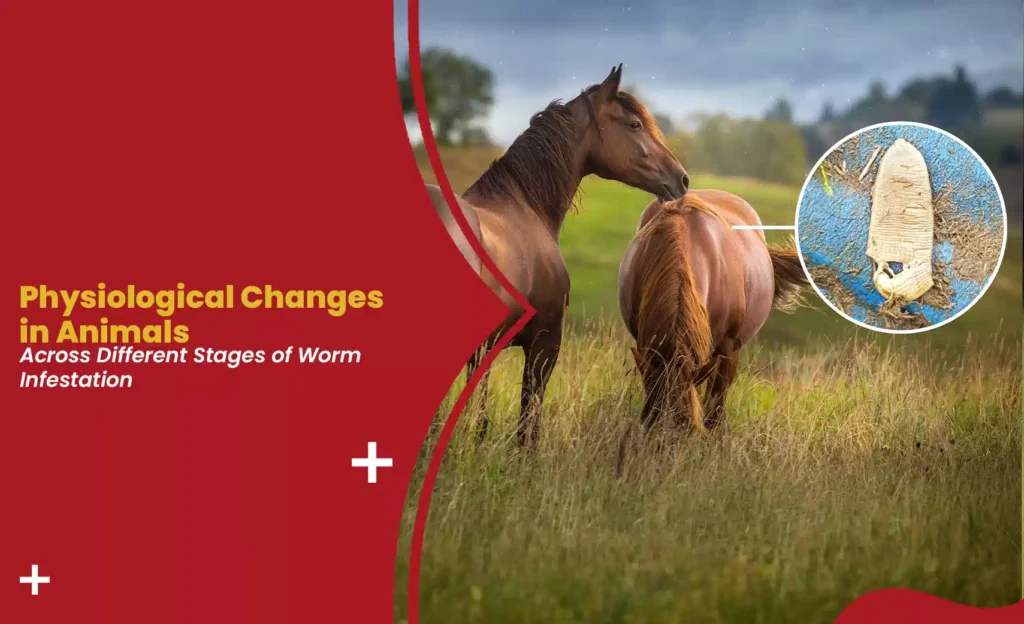
In today’s world, parasitic worms are a major cause of infection affecting animals and livestock. However, the infestation can cause symptoms such as diarrhea or weight loss; it is observed by pet owners. Many of the changes occur inside the animal’s body long before visible symptoms appear. When the worms start to grow in pets or any other animals, it begins with the host seeking nutrients, damaging tissues, and also interfering with the organs. The physiological changes can affect digestion, immunity, blood health, and overall growth. Watch for signs of worm infestation in animals.
Early veterinary care can help prevent mild infections from becoming serious health problems. Knowing what occurs to the body during each stage of infection can also help owners understand the importance of regular parasite prevention and treatment promptly in animals. Today, veterinary science has advanced to develop effective anti-parasitic treatments that have made it possible to control many worm infestations before they cause permanent damage. Knowing about the parasite involved and the animal’s condition, veterinarians can recommend medication such as Iverjohn 6mg as part of parasite treatment. Let us know about how these infestations affect the body and how owners can get help, and why the treatment is so important.
About the worm infestation in animals
The infestation occurs when the when parasitic worms enter an animal’s body and get themselves into the intestines, lungs, blood vessels, or other organs. Parasites can survive by feeding on nutrients, blood, or body tissues, often without causing quick symptoms. It depends on the parasite species, and the infection may develop gradually over several weeks before becoming clinically apparent. Internal parasites of animals are roundworms, hookworms, whipworms, tapeworms, and lungworms. Animals may become infected by ingestion of parasite eggs in contaminated soil or water, by consumption of infected prey, by grooming contaminated fur, or by transmission from the mother during pregnancy or nursing.
Life cycles of animal parasites
The life cycle of animal parasites begins when eggs or larvae enter a host. After that, many parasites wander through different tissues until they reach their preferred destination, such as the intestines or lungs. They mature into adult worms there. The adult worms lay thousands of eggs, which are shed in the animal’s faeces and contaminate the environment. Accidental ingestion of these eggs or larvae leads to infection of other animals. The cycle continues. The life cycle stresses the importance of sanitation, regular deworming and environmental management for thecontrol of parasites in veterinary medicine.
The Physiological Changes During Different Stages of Worm Infestation
The Early Stage of Initial Parasite Entry
During this stage of infestation, only a small number of parasites are present in animals. Most of the animals appear healthy because the worms have not yet reached maturity. However, subtle physiological changes have already begun. The immune system recognises the parasites as foreign organisms and starts an inflammatory response to limit their survival. Generally, there are no apparent clinical signs, although some animals may experience a mild digestive upset or a temporary change in appetite.
Stage of development and increase of worm burden
As parasites mature and reproduce, the worm burden in animals gradually increases. More of the nutrients are then shunted away from the host to support parasite growth, reducing the availability of proteins, vitamins and minerals required for normal body functions. The digestive efficiency also begins to decline as worms irritate the intestinal lining. Some animals may develop intermittent diarrhoea, vomiting or poor feed conversion, especially young animals with higher nutritional demands.
Major Physiological Effects in Advanced Stage
As the parasite population grows, the tissue damage may become more serious. The Hookworms may directly consume blood, raising the risk of anemia from worms in animals, while in severe cases the roundworms can block off parts of the intestine. The Animals often have continued digestive problems, lower energy levels, dehydration, poor growth, and significant weight loss from worms. Their immune system also may be compromised, making them more susceptible to secondary bacterial or viral infections.
About the severe stage and systemic health complications
Severe infestations can affect multiple organ systems. Chronic blood loss, poor nutrition, and long-term inflammation can affect the body. At this stage, puppies, kittens, aged animals, and those with impaired immune systems are particularly vulnerable. Without veterinary treatment, heavy infestations can lead to life-threatening complications such as intestinal obstruction, severe anemia, respiratory distress (lungworms), and organ failure.
The Common Worm Infestation Symptoms in Animals
The severity of symptoms depends on the type of parasite, the number of worms present, and the animal’s overall health. The common symptoms include progressive weight loss, Slow growth, Weakness, Scooting, Visible worms in stool, Dull or rough coat, Pot-bellied appearance, Vomiting, and Diarrhea. Even healthy pets should have regular veterinary exams and fecal testing since some animals may be asymptomatic in the early phases. So in these cases, the veterinarian may provide the Iverjohn 6mg depending on the parasites.
What is Iverjohn 6 mg medication?
It is a tablet of an antiparasitic medication Ivermectin is an active ingredient in it. It is used to treat onchocerciasis (river blindness), strongyloidiasis, and other parasitic infections. It is used to treat infections caused by parasitic worms and mites, such as strongyloidiasis (threadworms), onchocerciasis (river blindness), and scabies. The medicine works by paralyzing and killing the parasites.
Its uses
Iverjohn 6 mg treats parasites by causing paralysis in their nerve/muscle cells, leading to their death and removing parasites from the body. Key uses include treating intestinal strongyloidiasis and onchocerciasis (river blindness) along with off-label use for scabies and head lice.
The dosage
The correct dosage for Iverjohn 6mg (Ivermectin) requires professional healthcare advice. It is often used for the treatment of various types of parasitic infections. The dosage depends on various factors such as body weight, type of infection, and other factors. Also, it is important to adhere to the advice and instructions of a healthcare professional. Taking the medication in the wrong doses or using it incorrectly may fail treatment or cause potential health problems. A healthcare professional will be aware of the treatment regimen and will be able to guide you on the correct way to take the medication.
The side effects
- Seizures (rare)
- Liver damage (rare)
- Severe skin reactions (rare)
- Headache
- Dizziness
- Diarrhea
- Vomiting
- Nausea
How can veterinary parasite management be prevented
Management of veterinary parasites includes routine prevention, early diagnosis, and treatment when needed. Periodic stool examination is useful in diagnosing parasite infections before they are severe. Scheduled deworming programs reduce the likelihood of re-infection. Good hygiene is also important to prevent the spread of parasites. Cleaning kennels, litter boxes and animal housing areas, providing clean food and water, controlling fleas and promptly removing feces all help reduce environmental contamination. The livestock owners should also practice proper pasture management to minimize exposure to infective parasite larvae. Most worm infestations can be identified early and treated before they cause significant physiological damage, with consistent preventative measures and veterinary advice.
Conclusion
Iverjohn 6mg (Ivermectin) is an antiparasitic medicine that is used to treat intestinal and skin parasite infections. It attacks the nervous systems of some organisms and kills parasites efficiently without damaging them. This medicine may help in reducing the symptoms and health risks of parasitic infection. If you need this medication, you can visit ivercares.com for more information about parasitic infections. This medicine should be taken by a veterinarian. It needs proper medical supervision to ensure that the treatment is safe.
FAQs
- What conditions does Iverjohn 6mg treat?
Iverjohn 6mg is used for the treatment of various parasitic infections occurred in the animal body. It is also used worldwide to control onchocerciasis (river blindness) caused by parasitic roundworms.
- How long does Iverjohn 6mg take to clear up an infection?
Because it kills and paralyzes adult parasites, a single dose is often enough to wipe out the infection. However, the drug does not kill parasite eggs that have not hatched. Depending on your follow-up tests, the veterinarian may give you a second dose a few weeks later to make sure any newly hatched parasites are killed off.
- Is the medication safe for all pets?
No, it is only safe for dogs and as part of a parasite prevention plan because ivermectin can be highly toxic to certain dog breeds. It can also require extreme precaution when used in cats.
- How is the Ivermectin dosage determined?
It depends upon the animal’s body weight and the parasitic condition being treated. The Iverjohn 6 mg is often used for smaller animals such as small puppies and cats and could cause a fatal overdose. But before giving the medication to your pets, consult a veterinarian.