
Lupus doesn’t follow a schedule. You might wake up feeling almost normal, and by the next morning, even getting out of bed feels like a battle. This unpredictability, combined with the way lupus and rheumatoid arthritis can affect multiple systems in the body at once, is what makes these conditions so hard to live with and even harder to manage.
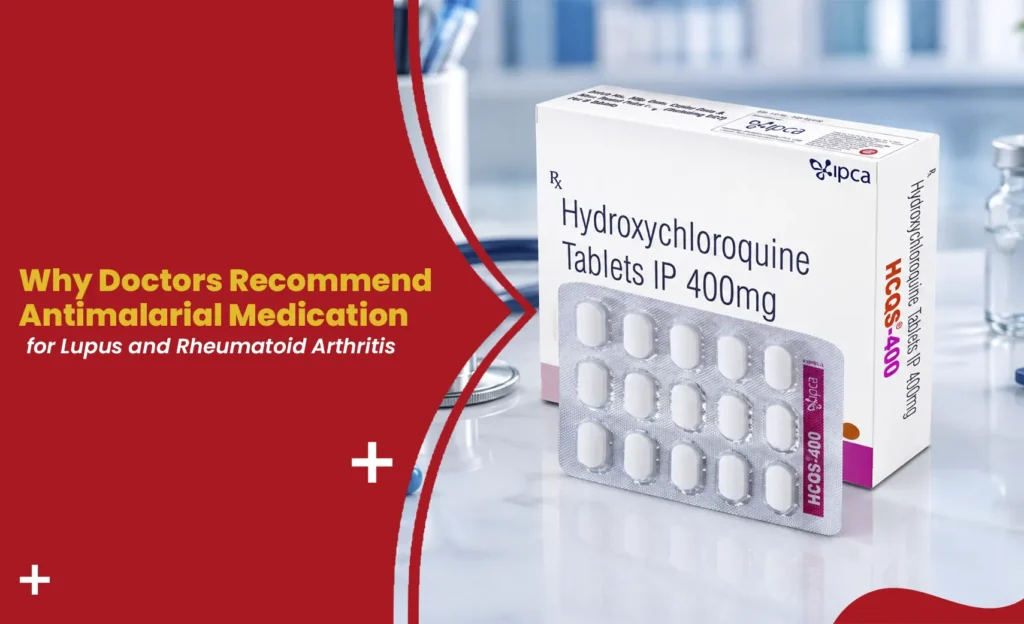
Because symptoms can shift with little warning, having a clear, physician-guided treatment plan isn’t just helpful; it’s essential. Antimalarial medications are now an important treatment for many patients. One of these medications is HCQ 400 mg, which has the active ingredient hydroxychloroquine. Hydroxychloroquine was originally used to treat and prevent malaria. Today, it is often used for systemic lupus erythematosus and rheumatoid arthritis and helps many patients with flare-ups and improves their quality of life. In this article, we will discuss why antimalarials are used to treat lupus and Rheumatoid Arthritis and what patients need to know before taking this medication.
About Lupus
Lupus is formally called Systemic Lupus Erythematosus (SLE). Lupus is a condition in which the body’s immune system attacks its own organs and tissues. This is known as an autoimmune condition. Lupus can cause irritation and swelling, which is called inflammation, and that may affect joints, kidneys, skin, brain, blood cells, lungs, and heart. A sign of lupus is a facial rash that looks like butterfly wings across both cheeks. The rash can get worse when in the sun, but not everyone with lupus gets this rash. Certain medications or even sunlight can trigger the condition.
Rheumatoid Arthritis
Rheumatoid arthritis differs from the more common osteoarthritis. Some people have both. Osteoarthritis causes damage to joints from overuse. Rheumatoid arthritis affects the lining of the joints and eats away at the bone under them. This causes a painful swelling that can cause joints to bend out of shape over time, called deformity. Rheumatoid arthritis happens when the immune system attacks its own body’s tissues by mistake. This is an autoimmune condition. The inflammation of rheumatoid arthritis also can damage other parts of the body. But rheumatoid arthritis still can cause long-term damage and increase the risk of heart disease. This is an ongoing, or chronic, condition that causes pain, swelling, and irritation, called inflammation, in the joints. These may include the skin, eyes, lungs, heart, and blood vessels.
What are Antimalarial Medications and why are they used to treat Lupus and Rheumatoid Arthritis?
Antimalarial medications are the medications that are used to treat or manage malaria. Lupus and rheumatoid arthritis can cause a lot of different health problems; different kinds of medicines can treat them, but consulting a physician can help you find the right treatment, and they may suggest the option of HCQS 400 mg. However, its active ingredient is hydroxychloroquine. Hydroxychloroquine (hydroxychloroquine), Chloroquine (Aralen), and quinacrine (Atabrine) are the medications that were used to prevent or treat malaria. These medications were found effective in treating the symptoms of lupus, but antimalarial medications have been shown to improve muscle and joint pain, skin rashes, pericarditis (inflammation of the lining of heart) Pleuritis( inflammation of the lining of the lung), and other lupus symptoms such as fever and fatigue. These medications may also prevent it from spreading to certain organs such as the central nervous system and kidney, and it may help to reduce flares by as much as 50%. Antimalarials are the key to controlling lupus for the long term; especially discoid lupus, subacute cutaneous lupus, and mouth sores with lupus. They are also effective in treating rheumatoid arthritis and Sjogren’s syndrome (leads to dry eyes and dry mouth).
How does hydroxychloroquine work to fight lupus and Rheumatoid Arthritis?
The antimalarial agent, hydroxychloroquine, has been used widely for the treatment of rheumatoid arthritis and systemic lupus erythematosus. These compounds lead to improvement of clinical and laboratory parameters, but their slow onset of action distinguishes them from glucocorticoids and nonsteroidal anti-inflammatory agents. Hydroxychloroquine increases pH within intracellular vacuoles and alter processes such as protein degradation by acidic hydrolases in the lysosome, assembly of macromolecules in the endosomes, and posttranslational modification of proteins in the golgi apparatus. It is proposed that the antirheumatic properties of these compounds result from their interference with “antigen processing” in macrophages and other antigen-presenting cells. Because this mechanism differs from other antirheumatic drugs, antimalarials are well suited to complement these other compounds in combination drug therapy.
How do anti-malarial drugs control lupus symptoms?
Antimalarial medication helps to control lupus in several ways by modulating the immune system without predisposing you to infection. Antimalarials can protect against UV light and sometimes even improve skin lesions that do not respond to treatment with topical therapy (ointments). Antimalarial medication may prevent activation of plasmacytoid dendritic cells, a component of the immune system that is responsible for making interferon.
Can anti-malarial drugs be taken with other lupus medications?
Yes, antimalarials can be taken with other lupus medications, including corticosteroids (e.g., prednisone), immunosuppressives, cytotoxic drugs, and NSAIDs. Antimalarial drugs may be given in combination with prednisone to reduce the amount of steroid needed to control lupus symptoms and thus to alleviate some of the side effects of the steroid. In addition, since it usually takes about 1-3 months for your antimalarial medications to fully take effect, you may be given a steroid medication to act as a bridging medication and alleviate your symptoms during this interim.
What should I keep in mind when taking anti-malarial drugs?
Damage to the retina, the light-sensitive portion of the inner eye, can occur with long-term use of hydroxychloroquine or chloroquine. According to research, with hydroxychloroquine, this sort of damage occurs only in 1 out of 5,000 people who take the drug for five years or more. For this reason, though, you must see an ophthalmologist for an exam before starting to take an antimalarial medication for your lupus. Follow-up appointments every 6 months (or, annually at the very least) are also advised.
If your ophthalmologist does find some hydroxychloroquine deposits, they will simply request that you stop taking the medication, and you may follow up with your rheumatologist about another advised method of treatment.
Do not smoke while taking HCQS 400 mg antimalarial medications, since smoking actually reduces the benefits of these drugs. In fact, people with lupus should not smoke at all due to their increased risk of cardiovascular disease.
You should always take your antimalarial medications with food to prevent stomach upset. If a stomachache does occur, it is usually temporary. While these medications contain the same active ingredient, the preparation of generic hydroxychloroquine can sometimes cause stomach irritation. This sort of upset usually does not occur with commercial hydroxychloroquine.
Lastly, remember that even though you may feel the benefits of antimalarial therapy after about a month of treatment, it may take up to three months for the full benefits of the drug to manifest. If you experience any serious adverse effects, notify your physician.
Potential added benefits of antimalarial medication
Antimalarial drugs may have additional health benefits for some people. Potential benefits include
- Greater protection from UV light
- Reduced level of cholesterol
- Decrease in blood glucose levels.
These benefits may be especially helpful for people taking steroids. In addition, individuals with antiphospholipid antibodies, such as the lupus anticoagulant and anticardiolipin antibodies, may experience a decreased likelihood of blood clots.
Conclusion
Many of the people with lupus take hydroxychloroquine for the rest of their lives to control their disease and reduce flares by as much as half. These medications help to improve daily function and overall survival rates. The research shows that the use of this medication not only controls lupus and rheumatoid arthritis but also prevents cardiovascular events such as heart attacks and strokes. However, their proven capacity to modify disease activity prevents organ deterioration and lowers acute care hospitalizations, making them an irreplaceable cornerstone of modern rheumatologic care.
FAQs
How can antimalarials treat Lupus and rheumatoid arthritis?
They can lower immune system activity, and they block signals that cause pain, swelling, and tissue damage.
How does the hydroxychloroquine medication help lupus and Rheumatoid Arthritis?
They can help with joint pain and skin rashes, and reduce the risk of serious blood clots or organ damage.
Will hydroxychloroquine medication prevent long-term damage?
Yes. They can slow down disease progression and protect joints in arthritis and also organs like kidneys in lupus.
How do antimalarial medications help rheumatoid arthritis?
They can help reduce the joint swelling and also slow down joint damage over time.
When should I consult an eye physician while taking them?
These drugs can rarely affect your eyes, so you must see an eye physician once a year for a safety check.