
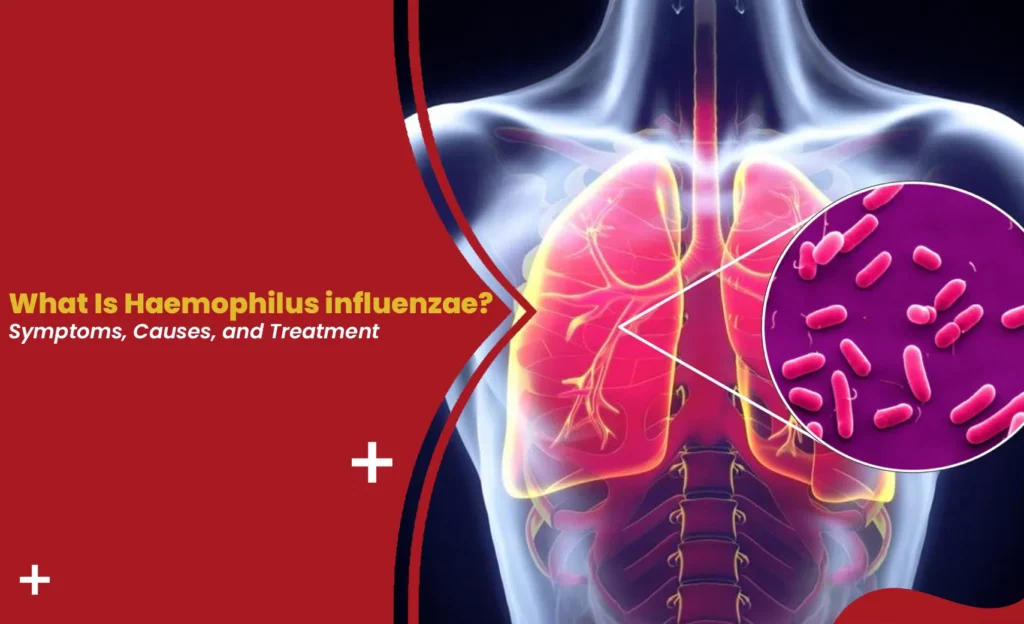
Despite its name, Haemophilus influenzae doesn’t really have anything to do with influenza; it’s more of a long ago mix-up, from over a century back when researchers first noticed this bacterium during an outbreak, and they assumed it was the flu culprit. But in reality, this microbe can cause a whole set of infections that hit the lungs, the bloodstream, and even the protective membranes around the brain and spinal cord. This blog will analyze H. influenzae infection, including how it spreads and how it is managed with options like Mormox 500 mg, is really important because a few of its complications can get severe fast, especially for young kids and anyone already more at risk.
A Bacterium With a Misleading Name
Haemophilus influenzae is a bacteria type that often hangs out in the nose and throat of lots of healthy people, without causing so much as a problem. Yet sometimes it turns invasive and leaves that usual “comfort zone,” then it spreads into places where it can create serious illness. There are multiple strains, generally split into encapsulated types, which include six known serotypes labeled a through f, and unencapsulated types, often called nontypeable strains. Type b, or Hib for short, was historically the most feared strain, until widespread vaccination changed how common and how damaging it became worldwide.
How the Infection Takes Hold
If you want to know what Haemophilus influenzae causes, you basically have to track when the bacterium shifts from the upper respiratory tract into deeper body areas. That shift can involve the bloodstream, invasion of the lower respiratory tract, or movement into the central nervous system. People are more likely to develop invasive infection when they’re very young, because children under five have traditionally carried the highest risk. Susceptibility is also higher with chronic lung disease, immune deficiencies, or if someone hasn’t been vaccinated against the most dangerous strains. When it comes to Haemophilus influenzae transmission, it’s not complicated; it spreads mainly through respiratory droplets when someone infected coughs, sneezes, or even talks, so close contact and crowded indoor settings are common places where exposure can happen.
Recognizing the Range of Symptoms
Haemophilus influenzae symptoms swing a lot depending on where the infection lands, and that shifting pattern is part of why it matters clinically. Some milder infections are things like ear infections, sinusitis, and bronchitis. Those usually show up with ear pain, nasal congestion, coughing, and a low-grade fever, which can look a lot like other ordinary respiratory infections. In contrast, invasive disease can be much more alarming and often needs quick medical evaluation so complications don’t spiral.
When It Reaches the Lungs
Haemophilus influenzae pneumonia is one of the heavier respiratory complications, seen especially in older adults, young children, and people with chronic lung problems such as COPD. Typical signs include a productive cough, chest discomfort, trouble breathing, fever, and overall fatigue. The tricky part is that pneumonia from this organism can resemble pneumonia from other bacterial pathogens, so symptoms alone usually aren’t enough. Lab testing matters because it confirms which organism is actually causing the illness, and it helps direct which antibiotic choice makes sense.
The Most Feared Complication
Among the more serious forms, Haemophilus influenzae meningitis has long been viewed as one of the worst, especially before vaccines became widely effective. It happens when the bacteria get into the fluid surrounding the brain and spinal cord, then they trigger inflammation. That inflammation can bring on severe headache, high fever, neck stiffness, light sensitivity, and confusion, and in young children you might also see irritability and poor feeding. If treatment is delayed, bacterial meningitis can worsen quickly. Because of that, when meningitis is suspected, it’s treated like an urgent medical emergency, meaning immediate hospitalization and strong antibiotic therapy.
Confirming the Diagnosis
Haemophilus influenzae diagnosis usually depends on lab tests that isolate and identify the bacteria from the right specimen. That might be blood, cerebrospinal fluid from a lumbar puncture, respiratory secretions, or fluid from a sick ear or sinus. Culturing allows the lab to verify the exact strain and also check antibiotic susceptibility, since resistance to some first-line antibiotics can develop over time. Rapid tests and imaging sometimes add support too (like chest X-rays when pneumonia is suspected or CT scans for certain neurological situations, helping guide decisions faster, particularly when the case is severe, or moving quickly).
Role of Antibiotic Treatment
Haemophilus influenzae treatment depends on how bad things are and where the infection sits and the exact strain’s antibiotic sensitivity profile; yeah, not just “how it looks.” When the infection is on the milder side, like an uncomplicated ear infection, sinusitis, or a light bronchitis situation from susceptible strains, oral antibiotics can be enough to get things under control. In that context, Mormox 500 mg (which is an aminopenicillin antibiotic) is one option some clinicians choose; it works by messing with how the bacteria build and keeps its protective cell wall structure until the germs essentially stop, then die, and the infection settles. Also, some strains can produce enzymes that neutralize certain antibiotics, so susceptibility testing matters a lot, meaning healthcare providers should confirm that a medicine is actually going to work, rather than only guessing based on symptoms.
When the infection is more serious or invasive, like meningitis or bloodstream infections, then treatment usually means intravenous antibiotics in a hospital, often together with supportive care, things like monitoring and managing complications, including keeping a close eye on possible neurological effects. And yes, finishing the full antibiotic course is still key even if symptoms improve early, because stopping too soon can leave the infection partially alive and can contribute to antibiotic resistance.
The Vaccine That Changed Everything
One of the biggest public health shifts for this bacterium is the Hib vaccine, which targets H. influenzae type b, the type that historically caused most of the severe invasive disease, especially in small children. Once routine vaccination programs became widespread, cases of Hib-related meningitis and other invasive Hib infections dropped sharply in places with high vaccination coverage. That basically turned a once common cause of childhood bacterial meningitis into something much less frequent. The vaccine is normally given as a schedule of doses during infancy, so protection lines up with the time of early childhood when kids tend to be most vulnerable to harsh complications from this organism.
Summing Up
Haemophilus influenzae isn’t a “daily household name,” but it’s still worth paying attention to because it can lead to genuinely serious illness, especially pneumonia and meningitis. Learn more about common health conditions, and between strong vaccination efforts that reduced the most dangerous strain and antibiotic options when a susceptible infection is confirmed, healthcare today is handling what used to feel far more daunting than it does now.
FAQs
1. Is Haemophilus influenzae related to the flu virus?
No. Even though the name sounds close, H. influenzae is a bacterium; it isn’t the flu virus (that’s a virus). The term stuck over a century ago after it was observed during an influenza outbreak, but the organism itself isn’t related to influenza.
2. How is Haemophilus influenzae transmitted between people?
It spreads mostly through the respiratory. This is breathed out when an infected person coughs, sneezes, or talks. It spreads in crowded places.
3. Why is H. influenzae dangerous?
This is dangerous because it can easily spread. Delay in treatment can result in loss of hearing in patients.
4. Does Mormox 500 mg work for all strains of H. influenzae?
No, this medicine can be used for respiratory tract, ear, nose and throat, urinary tract, skin and soft tissue, gastrointestinal, dental infections and prophylaxis.
5. Does the Hib vaccine protect against all Haemophilus influenzae infections?
No. The Hib vaccine is specifically for H. influenzae type b, historically the most dangerous invader for invasive disease in children. It does not cover other strains, including nontypeable strains, which can still cause milder infections like ear infections and bronchitis.