
If you have acne, you’re not alone. Acne is a condition that can develop at any age. It can be frustrating and can affect your mental health. There are a few forms of acne, such as comedonal acne (whiteheads and blackheads), inflammatory acne (pimples and pus-filled bumps), and cystic acne (painful cysts and nodules). Each type of acne behaves differently and is often treated with different treatment approaches. And it may take some trial and error before finding the best acne treatment for you. Whether you have tried different treatments in the past with varying amounts of success or you just want to learn more about your options, here’s a guide to find the best acne treatment for you.
Inflammatory Acne
The acne that involves red, swollen, and painful bumps that may leave scars if they are deep or not properly treated are known as inflammatory acne. This happens when the pores in the skin, called pilosebaceous follicles, become clogged, and bacteria like Cutibacterium acnes can grow in those follicles. This can cause an immune system response and may lead to inflammation of the oil glands. This inflammatory acne can cause different types of lesions to develop, including papules (small, red bumps), nodules (large, painful lumps under the skin), pustules (red bumps with a white, pus-filled tip), and cysts (deep, pus-filled lumps that are difficult to treat). These types of acne are more severe than whiteheads and blackheads because they can affect the deeper layers of the skin and increase the risk of scarring. Whiteheads and blackheads are comedonal acne, which is not inflammatory. These can occur when hair follicles become blocked by too much oil and dead skin cells but without significant inflammation. If the comedonal acne is not treated, it turns into inflammatory acne.
Causes and contributing factors of Inflammatory acne
Inflammatory acne stems from a complex interaction of genetic, biological, environmental, hormonal, and behavioural factors. These are the factors that can contribute to worsening, onset, and persistent acne management:
- Acne that is formed due to hormonal imbalance happens when changes in hormones, such as insulin, androgens, and cortisol, cause excess production of oil and deep, painful cysts on the jawline and lower face.
- Genetic predisposition occurs when the individual has a family history of the significant role in the likelihood and severity of acne. People who have had acne are more likely to develop severe forms themselves. This genetic predisposition influences sebum production and the likelihood of follicular inflammation.
- Cutibacterium acnes is a normal resident of the skin which can proliferate in blocked follicles filled with excess sebum. This overgrowth causes inflammation and the formation of the characteristic inflammatory lesions of acne. In respect to diet and skin health some studies have suggested that high glycaemic foods, dairy products and some growth factors can stimulate sebum production and acne.
- A healthy lifestyle and a balanced diet rich in fresh fruits and vegetables can help to reduce inflammation from acne.
- Chemical messengers in the skin, such as substance P, may increase the risk of inflammatory flare-ups by producing sebum and local inflammation, induced by psychological stress. Stress can also cause compulsive spot picking which can lead to more scarring and irritation.
Improper Skincare and Lifestyle Habits
Some of the skincare and lifestyle habits that can cause breakouts include:
- Using unsuitable or comedogenic cosmetics can clog pores and trigger breakouts. Failing to remove makeup or wash your face after sweating can worsen acne.
- Mechanical irritation can occur when helmets, tight clothing, or headbands are worn, as well as repeated friction in certain areas, which can contribute to flare-ups.
- Poor hygiene, such as sharing towels or brushes, sleeping with makeup, or over-washing the face, can irritate the skin and aggravate acne.
- Picking or squeezing spots can increase inflammatory acne, slow healing, and heighten the risk of scarring.
Common Triggers That Worsen It
Certain everyday habits and factors can trigger flare-ups or make existing inflammatory acne worse. In this, diet is one of the most talked-about triggers; high-sugar foods and dairy products have been linked to increased breakouts. Hormonal fluctuations around the menstrual cycle, puberty, or periods of high stress can also cause sudden flare-ups by increasing oil production. Stress or elevated cortisol levels don’t just affect mood it can also directly worsen inflammation in the skin. Picking or touching acne is another common trigger since it introduces more bacteria and pushes inflammation deeper into the skin. However, using heavy pore-clogging skincare or makeup products or over-exfoliating can irritate already inflamed skin and prolong breakouts rather than clearing them.
Medication of Inflammatory Acne
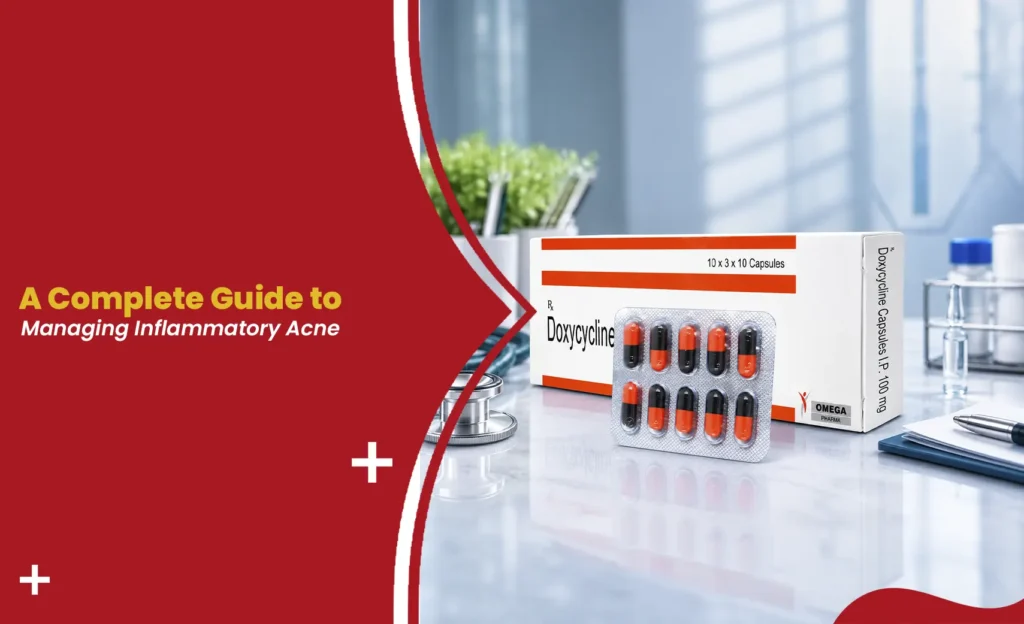
Inflammatory acne requires careful assessment due to the risk of scarring, lesion severity, and the psychological impact on quality of life. Oral medications such as doxycycline 100 mg are an antibiotic drug that is used in the treatment of numerous bacterial infections, such as acne and inflammation caused by bacteria, respiratory infections like Pneumonia and Bronchitis, skin infections like Cellulitis and Abscesses, urinary tract infections, and sexually transmitted diseases like Chlamydia and Gonorrhea. These treatments take several weeks and may be necessary for noticeable improvement.
Skincare & Lifestyle Tips
Avoid the Sun and Wear Sunscreen
Prolonged exposure of the skin to the sun’s harmful rays damages the skin to an extreme level. Limiting your outings during the peak hours of the day, i.e., 12-3 pm, and regularly applying sunscreen can save your skin from a considerable amount of damage. Also, make sure to reapply sunscreen multiple times, as it has the potency to break down on your skin while coming in contact with body fluids and oil. If you are dealing with direct sun exposure, ensure to reapply every 3-4 hours, based on the intensity of the rays.
Layer Products from Thinnest to Thickest
Your skin is fragile, and it can quickly absorb everything that you apply. Applying something light on the skin can be easily absorbed, but those who apply heavy-based products can trouble your skin, leading to acne and breakouts. Hence, even if you are applying heavy makeup, ensure you apply a skin-soothing toner and a light-on-skin moisturizer. Also, try not to go overboard with personal skin care products or makeup coats for a longer duration.
Always remove your makeup
Cleansing is the key. Those who do not cleanse their face regularly or have any residue of grime or makeup left on the skin can ruin the skin overnight. Makeup tends to clog the pores throughout the day, and leaving makeup for a long duration can stop your skin from breathing. Minimize or prevent your skin from such damage by always ensuring you remove the makeup before going to bed.
- Invest in a Great Moisturizer
Moisturizing your skin is non-negotiable all season. No matter what skin you have, greasy or rough, keeping it moisturized is the main. With the help of a moisturizer, you can protect your skin’s barrier, prevent breakouts in the future, and maintain your hydration level at par. While you are looking for a moisturizer, ensure you grab one that is light on your skin, natural, and chemical-free.
Conclusion
A clear skin routine takes time, consistency, and patience. You must stick to your daily habits and give some time to the medication, such as Doxycycline 100 mg, at least a few weeks to show real results. Do not use any kinds of products that are not suitable for your skin because it can worsen swelling and leave permanent scars. Always speak to a dermatologist before you start any strong medical treatment or change your plan. They can look at your skin type and safely guide you towards the best results. With the right and professional advice, you can control inflammatory acne treatment and keep your skin clear.
FAQs
1. What Is Inflammatory Acne?
Inflammatory acne is a skin disease that causes red, inflamed, painful lesions like pustules, papules, cysts and nodules. They can develop when oil, dead skin and bacteria become trapped deep within the pores, prompting an immune response.
2. What causes acne inflammation?
Bacteria, excess oil and dead skin get stuck way down in your pores. This can cause red, swollen and painful bumps. Stress and hormones can cause it too.
3. Does oily skin always cause acne?
Not necessarily. Oily skin is more susceptible to acne because the excess oil can clog pores, but many oily skin types never have any serious breakouts. Acne occurs when there’s too much oil, pores get blocked, bacteria grow and inflammation happens.
4. Does sun exposure cause and make acne worse?
Yeah. Tanning and sunburn can damage your skin. Some acne medications also make your skin burn faster in the sun. Always use a light, oil-free sunscreen.
5. How do I squeeze out my pimples?
Popping pushes bacteria deeper into your skin. Don’t pop your acne on your skin because it will make the swelling worse, and you can end up with permanent scars or dark spots.