
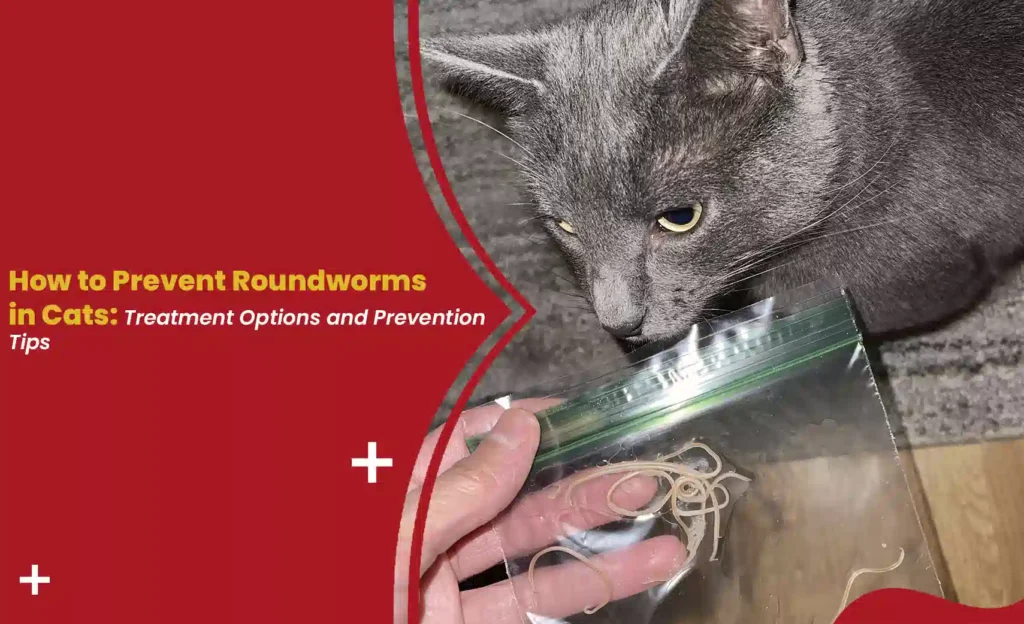
Few things feel as unsettling as seeing worms in your cat’s stool or vomit, especially when you do not know where they even came from. Roundworms are probably the most common reason behind that kind of “wait what” moment, affecting both kittens and adult cats. The part that can feel a little hopeful is that roundworms in cats are also among the simpler parasites to manage, treat, and prevent once you get the basics down, and yeah, solutions like Fenbendazole 150 mg can be part of a broader plan that actually sticks.
The Journey From Exposure to Infection
So, how do cats get roundworms? It’s not just one route, more like a few pathways working together. Most cats get infected after swallowing roundworm eggs that are sitting in contaminated soil, feces, or general spaces where other infected animals were previously. Another big cause is hunting in the case of roundworms in cats, then eating infected rodents or other small prey, because roundworm larvae can stay quiet or dormant in the tissues of those intermediate hosts until a cat finally consumes them. And for kittens, it’s even more direct; roundworm larvae can pass from a mother cat through her milk. That’s why roundworms in kittens vs adult cats can look like totally different situations in terms of how often they show up and how intense they get.
Recognizing the Signs of Infection
The symptoms of roundworms in cats early on matter. This can speed up treatment and reduce how much discomfort your cat ends up dealing with. Common signs of roundworms in cats include a pot-bellied look, especially in kittens, along with vomiting, diarrhea, weight loss even though appetite still seems normal, a dull coat, and low energy. Sometimes, you may literally see worms that look like spaghetti strings in vomit or stool, and that moment usually sends owners straight to a vet. In more severe cases, kittens can also develop a swollen abdomen and show poor growth, basically lagging behind development because these parasites are taking nutrients kittens need during growth.
A Tale of Two Age Groups
The difference between roundworms in kittens vs adult cats is big enough that vets often handle each group with a slightly different mindset. Kittens tend to be way more at risk for severe infection, partly because nursing is such a direct route and partly because their bodies and immune systems are not mature enough to manage a heavy parasite load well. Adult cats, especially those with decent immune function, can sometimes have a lower-level infection without obvious symptoms. In the case of roundworms in cats, it might only show up during a routine fecal exam. That contrast is exactly why kittens are often dewormed on a more frequent structured schedule during their first months, while adult cats may be tested or treated based on symptoms, lifestyle risk, or wellness screening.
Getting a Clear Diagnosis
You have to know “how do vets diagnose roundworms in cats?” which is important because relying only on “I saw something” can still miss the full picture. Usually a fecal flotation test is used. This means a small stool sample is processed in the lab to find roundworm eggs under a microscope. Since egg shedding isn’t always consistent, some vets will suggest repeat testing if the first test is negative, but the symptoms really point toward roundworms in cats. And if adult worms are visible in vomit or stool, that can be enough to move forward with treatment right away, since visible worms are pretty much a clear sign of active infection; no need to wait forever.
Getting Rid of the Infection Effectively
Once a diagnosis is confirmed, the dewormer for roundworms in cats is a way that actually targets the parasite stages present. Fenbendazole 150 mg is a commonly used broad-spectrum antiparasitic that interferes with the parasite’s cellular energy system. This basically starves the worms and reduces their ability to survive in the intestinal tract in the case of roundworms in cats. It’s often chosen because it can cover multiple roundworm life stages, so it’s useful whether the infection is “straightforward” or a bit more complicated.
What to Expect During Treatment
One of the most common questions owners ask is how long roundworm treatment takes in cat cases, and the answer depends on the severity and the specific protocol your veterinarian recommends. Fenbendazole 150 mg is typically given over a course of several consecutive days, not as just one quick dose, because that longer schedule helps catch worms that might be maturing during treatment. Most cats show improvement (like appetite, energy, and stool form) within about one to two weeks after finishing. Still, your vet may recommend a follow-up fecal test to confirm the infection is cleared completely, especially if the starting worm burden was heavy.
Addressing the Human Health Question
So, a lot of cat owners ask, “Are roundworms in cats contagious to humans?” and yeah… in certain moments, the answer is pretty much yes. This usually happens when humans accidentally swallow roundworm eggs, often from contaminated soil or stuff like litter boxes or even a surface where a cat has pooped. It’s not like this is happening every day, but it does happen. In people, especially smaller kids, the larvae can migrate through body tissues and sometimes end up creating visceral or ocular larva migrans, meaning they can mess with organs or, in uncommon cases, vision if the larvae end up by the eye. So it matters to clean the litter box fairly fast, wash your hands well after handling cat waste or gardening, and follow the deworming plan your vet recommends as soon as you confirm your cat has it.
Keeping Outdoor Cats Protected
Now, “how to prevent roundworms in outdoor cats?” is a bit different because outside access means exposure is just higher. These cats can end up with more contaminated ground around, they may hunt prey that carries the parasite, and they can also cross paths with other animals that are infected. On a schedule your veterinarian suggests, regular deworming is usually the most solid prevention step for cats that spend time outdoors. If you can, cut down on hunting opportunities, keep litter boxes fresh and clean, and remove feces from the yard quickly. Also, doing routine fecal exams even when your cat looks totally fine helps catch issues early regarding roundworms in cats.
Building a Long-Term Prevention Routine
For long-term prevention regarding roundworms in cats, it’s not only about treating an active infection. All cats, indoor or outdoor, benefit from a consistent, veterinarian-recommended deworming rhythm. This is especially important for kittens in their first months, since they can be more vulnerable to severe infection. Testing feces during yearly wellness visits helps catch low-level infections before they become obvious. And keeping things clean around the litter area also protects the whole household, meaning cats and humans alike, from repeated exposure.
In A Nutshell
Roundworms in cats are common, but they’re not this impossible problem once you understand how transmission works, what symptoms to look for, and which treatment options can help, like Fenbendazole 150 mg. If you stick with preventive deworming, keep hygiene simple and consistent, and reach out to a vet quickly when symptoms show up, most cats recover fully and still live happy, healthy lives. Do visit our site for Better pet care can also help you understand the importance of regular care. Meanwhile, the risk to people stays pretty controlled, mostly through basic regular precautions, nothing too dramatic.
FAQs
1. How long can cats survive with roundworms?
In mild cases, they can survive for months to years as per their immunity system. In severe cases, they die within weeks or months without getting treatment.
2. Can you still cuddle your cat with worms?
Yes, you can. You wash your hands after touching your cat.
3. How long does roundworm treatment take in cat cases with a heavy infection?
With Fenbendazole 150 mg, treatment is often given over consecutive days. A lot of cats improve within one to two weeks, but heavier infections may need a follow-up fecal test and sometimes another round of treatment to confirm it’s really cleared.
4. Why do kittens need more frequent deworming than adult cats?
They need more deworming because they take milk from their mothers. They have an undeveloped immunity system, and they run and walk at any place.
5. How do you prevent roundworms in your outdoor cat?
You can prevent roundworms in outdoor cats by keeping your house and garden clean. You wear shoes while walking on soil and sand. You wear gloves while cleaning.